56 planets
Exoplanets
Glass rain, lava oceans, three suns, a planet hotter than most stars and one with no star at all. Milestone discoveries, Earth-like worlds and the extremes of what a planet can be.
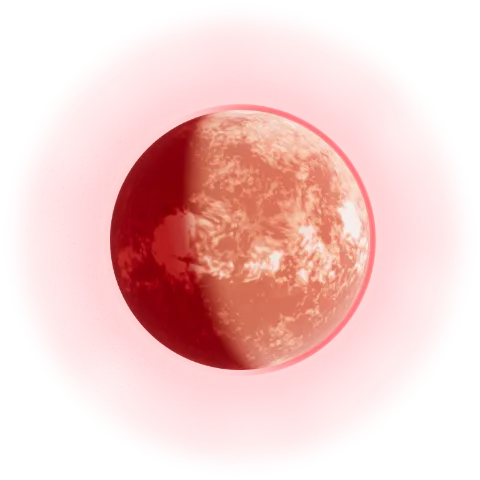
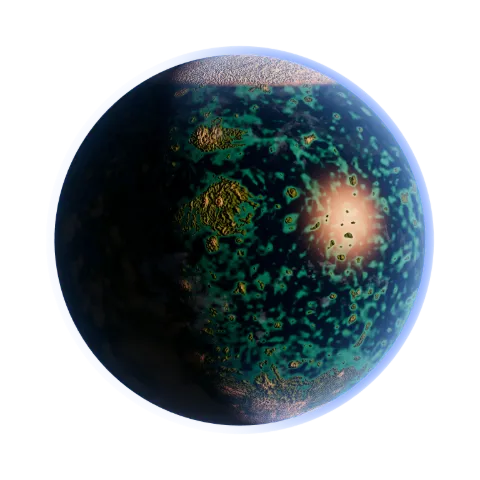
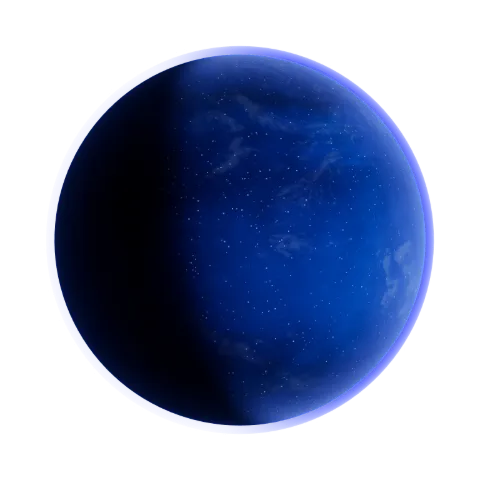
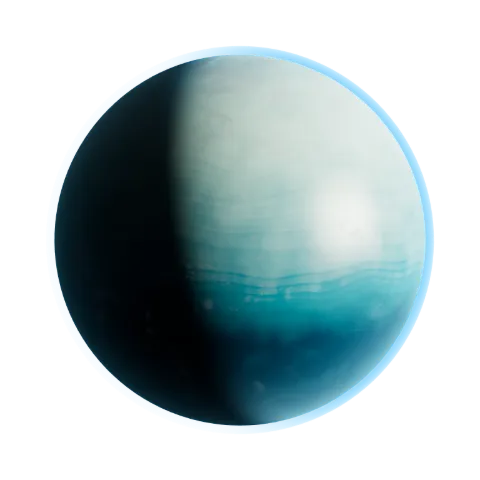
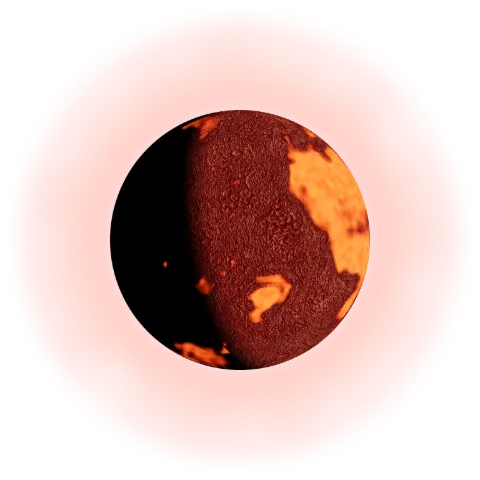
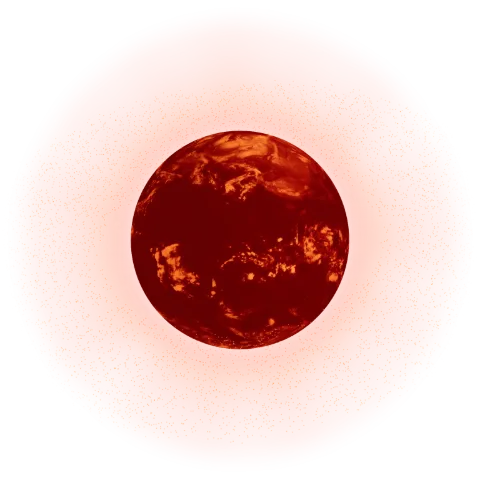
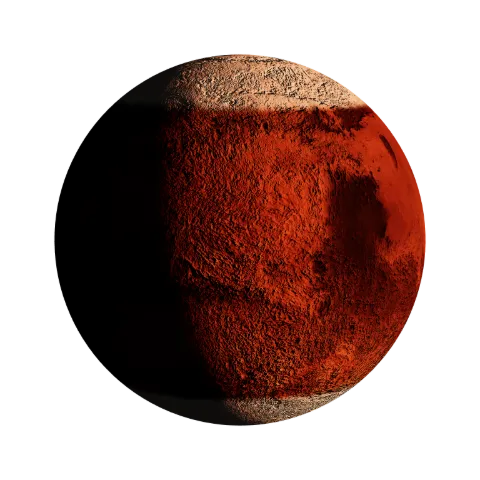
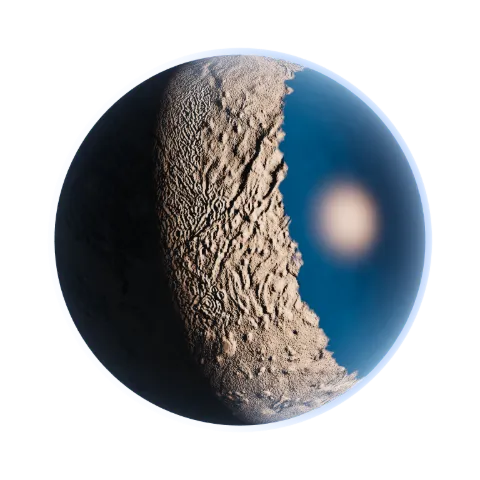
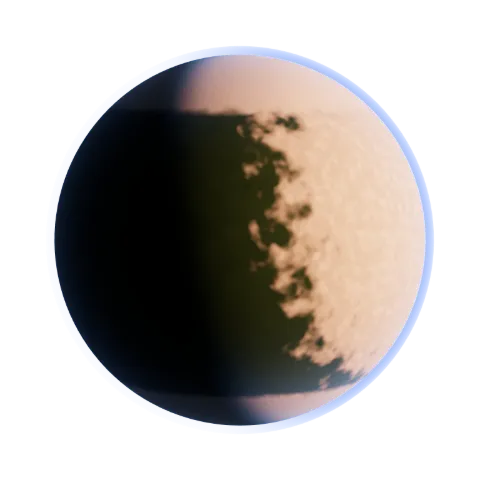
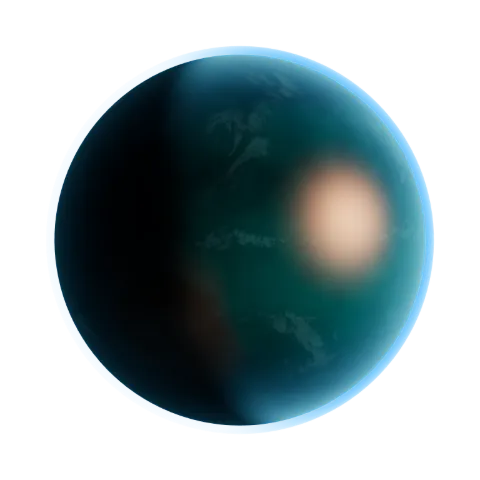
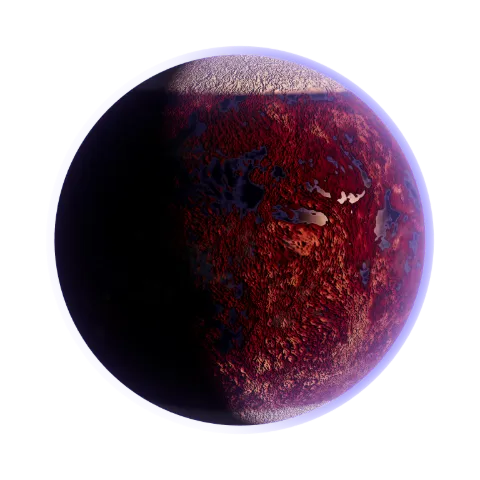
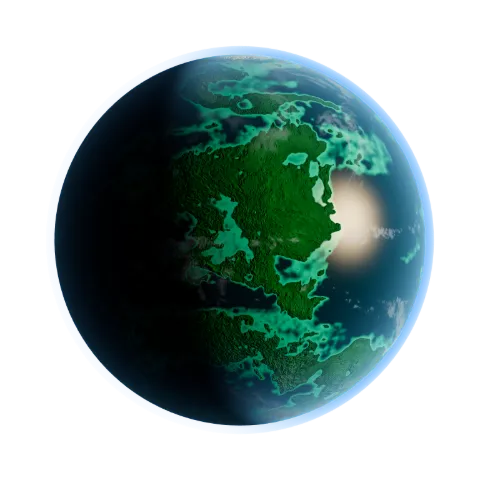
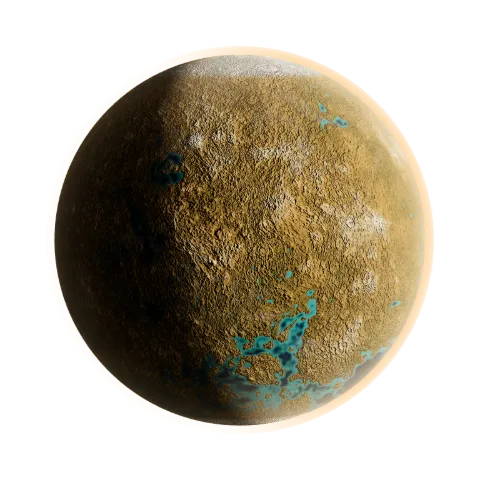
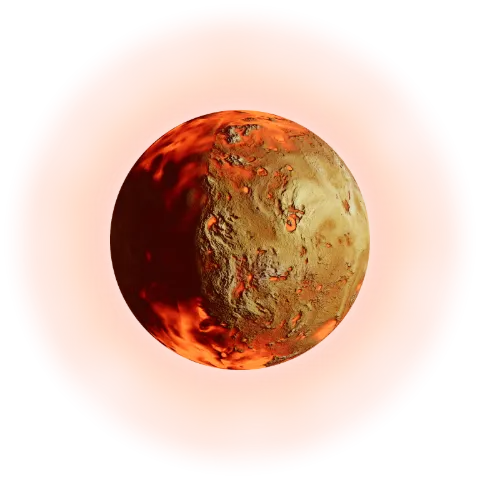
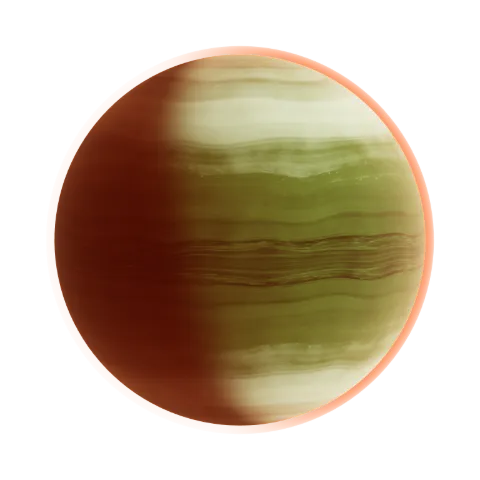
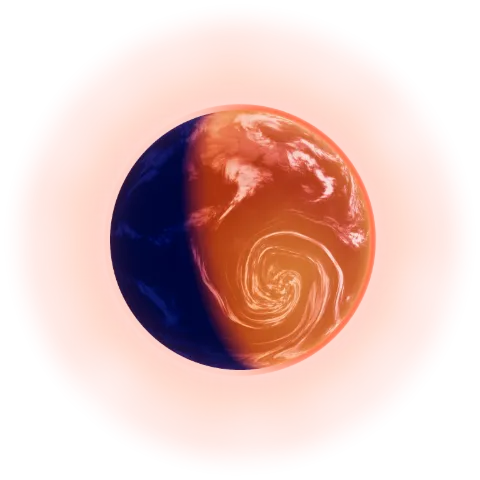
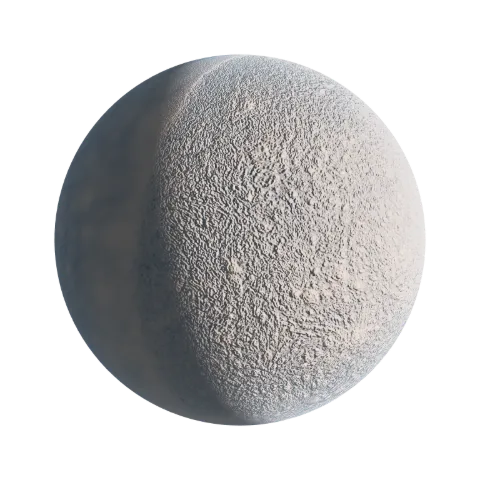
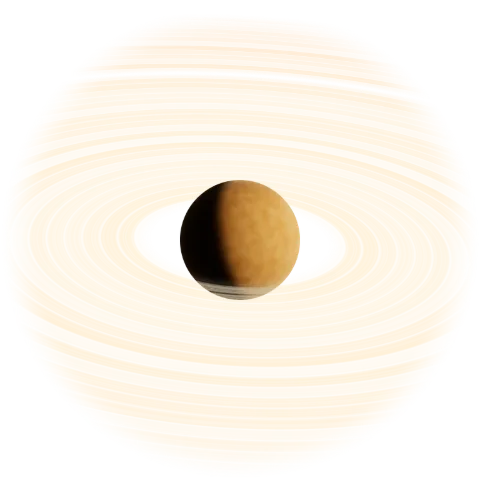
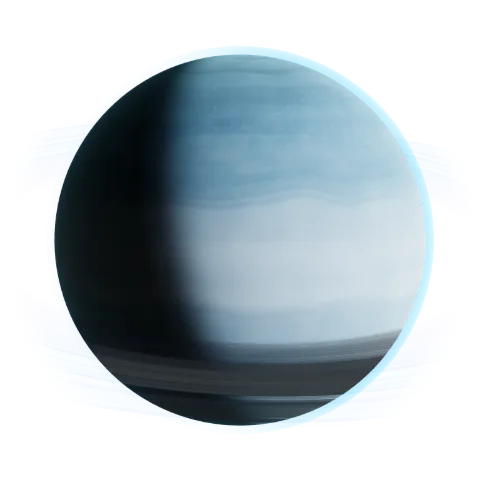
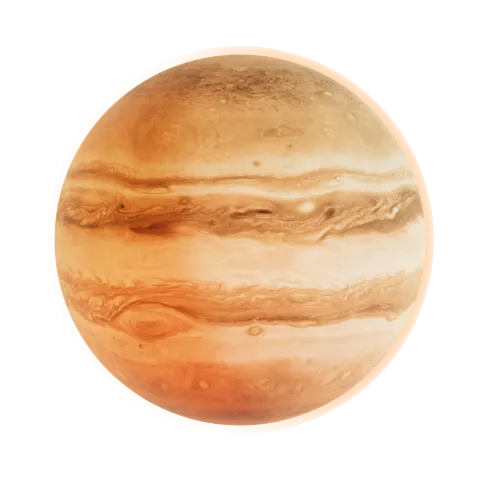
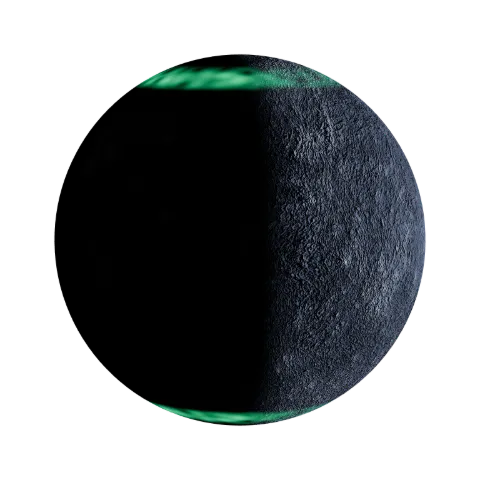
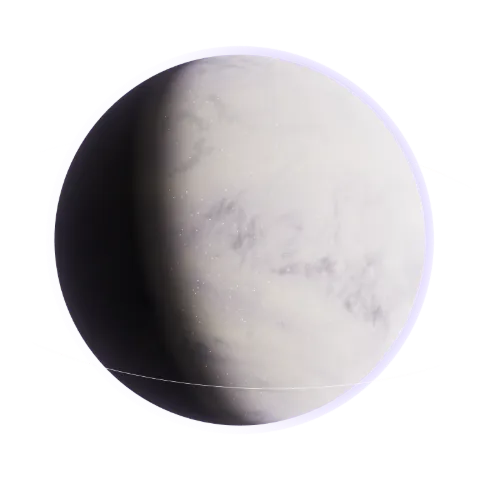
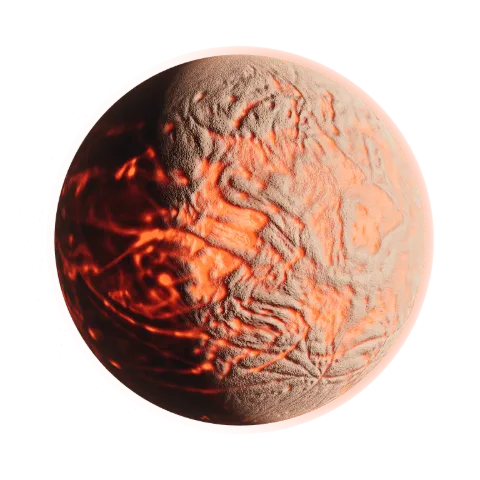
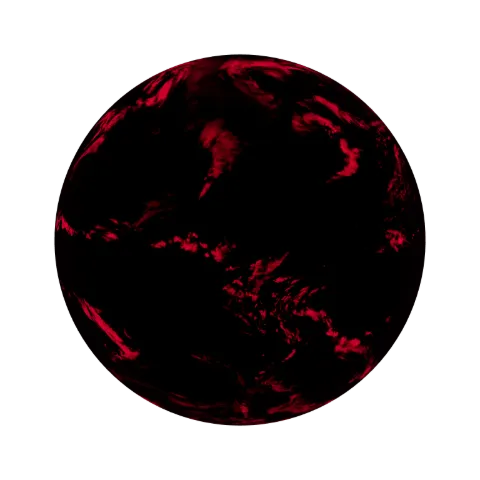
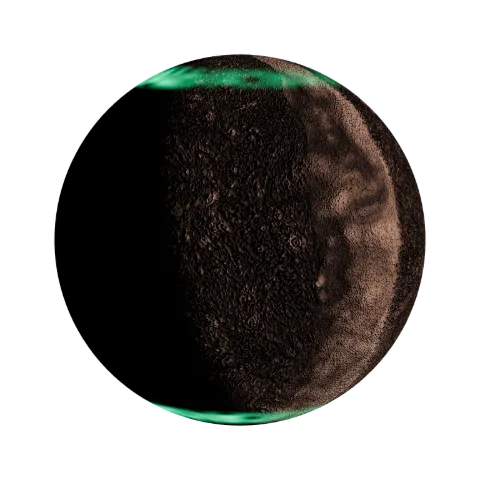
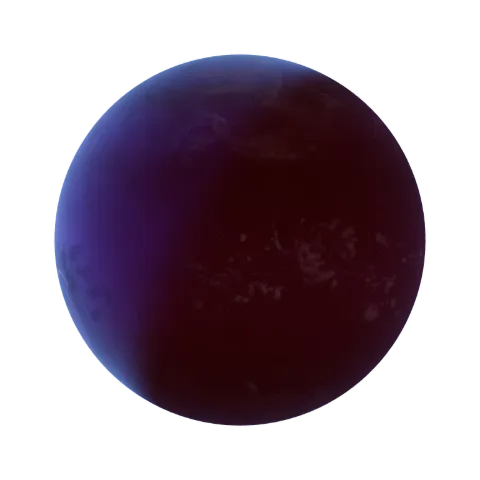
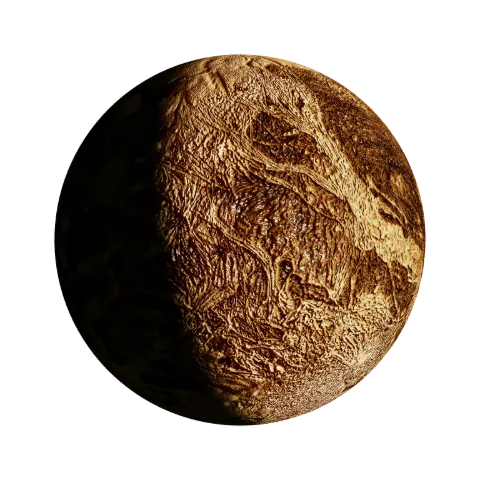
ExoplanetsDimidium51 Pegasi b · Hot JupiterTemperature1,260 K (987 °C)From Earth50.6 light‑years ExoplanetsOsirisHD 209458 b · Hot JupiterRadius1.36 × JupiterTemperature1,450 K (1,177 °C) ExoplanetsÆgirEpsilon Eridani b · Cold gas giantFrom Earth10.5 light‑yearsMass0.661 × Jupiter ExoplanetsFirst Imaged Planet2M1207 b · Young giant planetTemperature1,250 K (977 °C)From Earth170 light‑years ExoplanetsHazy Sub-NeptuneGJ 1214 b · Sub-NeptuneRadius2.74 × EarthTemperature596 K (323 °C) ExoplanetsReal TatooineKepler-16 b · Circumbinary gas giantRadius0.754 × JupiterTemperature188 K (-85 °C) ExoplanetsHabitable-Zone PioneerKepler-22 b · Super-Earth or mini-NeptuneRadius2.1 × EarthTemperature262 K (-11 °C) ExoplanetsFirst Rocky WorldKepler-10 b · Rocky lava planetRadius1.47 × EarthTemperature2,169 K (1,896 °C) ExoplanetsWebb’s First PortraitHIP 65426 b · Young gas giantRadius1.5 × JupiterTemperature1,600 K (1,327 °C) ExoplanetsNewborn PlanetPDS 70 b · Forming giant planetTemperature1,200 K (927 °C)From Earth370 light‑years Earth-like ExoplanetsOur Nearest NeighbourProxima Centauri b · Rocky planetRadius1.02 × EarthTemperature218 K (-55 °C) Earth-like ExoplanetsEarth-Like NeighbourTeegarden’s Star b · Rocky planet, habitable zoneTemperature277 K (4 °C)From Earth12.5 light‑years Earth-like ExoplanetsNearby Venus-EarthGliese 12 b · Earth-sized planetRadius0.96 × EarthTemperature315 K (42 °C) Earth-like ExoplanetsInner-Edge WorldTRAPPIST-1 d · Rocky planet, inner habitable zoneRadius0.788 × EarthTemperature288 K (15 °C) Earth-like ExoplanetsOcean CandidateTRAPPIST-1 e · Rocky planet, habitable zoneRadius0.92 × EarthTemperature251 K (-22 °C) Earth-like ExoplanetsFrozen-Sea WorldTRAPPIST-1 f · Rocky planet, habitable zoneRadius1.05 × EarthTemperature219 K (-54 °C) Earth-like ExoplanetsOuter Ice WorldTRAPPIST-1 g · Rocky planet, outer habitable zoneRadius1.13 × EarthTemperature198 K (-75 °C) Earth-like ExoplanetsEyeball Ocean WorldLHS 1140 b · Water world candidateRadius1.73 × EarthTemperature226 K (-47 °C) Earth-like ExoplanetsTESS’s EarthTOI-700 d · Rocky planet, habitable zoneRadius1.07 × EarthTemperature269 K (-4 °C) Earth-like ExoplanetsHycean WorldK2-18 b · Sub-Neptune, habitable zoneRadius2.61 × EarthTemperature255 K (-18 °C) Earth-like ExoplanetsThe Missed TwinKepler-1649 c · Earth-sized planetRadius1.06 × EarthTemperature234 K (-39 °C) Earth-like ExoplanetsEarth’s CousinKepler-186 f · Rocky planet, habitable zoneRadius1.17 × EarthTemperature188 K (-85 °C) Earth-like ExoplanetsSuper-Earth HavenKepler-442 b · Super-Earth, habitable zoneRadius1.34 × EarthTemperature233 K (-40 °C) Earth-like ExoplanetsEarth 2.0Kepler-452 b · Super-Earth, habitable zoneRadius1.63 × EarthTemperature265 K (-8 °C) Hot PlanetsSurvivor PlanetKOI-55 b · Scorched planet candidateRadius0.759 × EarthTemperature7,778 K (7,505 °C) Hot PlanetsHottest PlanetKELT-9b · Ultra-hot JupiterRadius1.94 × JupiterTemperature3,921 K (3,648 °C) Hot PlanetsPulsing-Star PlanetWASP-33b · Ultra-hot JupiterRadius1.59 × JupiterTemperature2,782 K (2,509 °C) Hot PlanetsDoomed PlanetWASP-12b · Ultra-hot JupiterRadius1.97 × JupiterTemperature2,601 K (2,328 °C) Hot PlanetsGem-Rain PlanetWASP-121b · Ultra-hot JupiterRadius1.74 × JupiterTemperature2,409 K (2,136 °C) Hot PlanetsIron Rain WorldWASP-76 b · Ultra-hot JupiterRadius1.83 × JupiterTemperature2,160 K (1,887 °C) Hot PlanetsMirror PlanetLTT 9779 b · Ultra-hot NeptuneRadius4.72 × EarthTemperature1,978 K (1,705 °C) Hot PlanetsLava-Ocean World55 Cancri e (Janssen) · Super-Earth lava worldRadius1.88 × EarthTemperature1,958 K (1,685 °C) Hot PlanetsNaked CoreTOI-849 b · Exposed planetary coreRadius3.64 × EarthTemperature1,932 K (1,659 °C) Hot PlanetsDarkest Planet KnownTrES-2b · Hot JupiterRadius1.36 × JupiterTemperature1,466 K (1,193 °C) Hot PlanetsFastest-Wind PlanetWASP-127b · Puffy Saturn-mass giantRadius1.31 × JupiterTemperature1,400 K (1,127 °C) Hot PlanetsBlue Glass-Rain PlanetHD 189733b · Hot JupiterRadius1.13 × JupiterTemperature1,209 K (936 °C) Hot PlanetsBocaprinsWASP-39 b · Hot SaturnRadius1.27 × JupiterTemperature1,170 K (897 °C) Hot PlanetsCracked Lava WorldGliese 876 d · Super-EarthRadius2.51 × EarthTemperature603 K (330 °C) Hot PlanetsFire-and-Ice GiantHD 80606 b · Eccentric hot JupiterRadius1.03 × JupiterTemperature405 K (132 °C) Cold PlanetsFrozen Far WorldOGLE-2005-BLG-390Lb · Cold super-EarthRadius2.21 × EarthTemperature50 K (-223 °C) Cold PlanetsFamily PortraitHR 8799 b · Young gas giantTemperature900 K (627 °C)From Earth133 light‑years Cold PlanetsSuper SaturnJ1407b · Ringed companionFrom Earth434 light‑years Cold PlanetsMethuselahPSR B1620-26 b · Ancient giant planetRadius1.19 × JupiterFrom Earth5,600 light‑years Strange PlanetsThree-Sun WorldHD 188753 Ab · Hot Jupiter (unconfirmed)From Earth150 light‑yearsYear length3.35 days Strange PlanetsDead-Star PlanetsPSR B1257+12 · Planets orbiting a dead starFrom Earth1,957 light‑years Strange PlanetsBackwards PlanetWASP-17b · Puffy hot JupiterRadius1.87 × JupiterTemperature1,755 K (1,482 °C) Strange PlanetsBurning Ice WorldGliese 436 b · Warm NeptuneRadius4.17 × EarthTemperature686 K (413 °C) Strange PlanetsThe Vanishing PlanetFomalhaut b (Dagon) · Former planet: a dust cloudFrom Earth25.0 light‑years Strange PlanetsStarless WandererPSO J318.5-22 · Rogue planetTemperature1,127 K (854 °C)From Earth72.0 light‑years Strange PlanetsAurora WorldYZ Ceti b · Rocky planetRadius0.913 × EarthTemperature471 K (198 °C) Strange PlanetsFar-Flung GiantHD 106906 b · Wide-orbit giantRadius1.11 × JupiterTemperature1,800 K (1,527 °C) Strange PlanetsSteel-Dense PlanetTOI-1853 b · Ultra-dense NeptuneRadius3.46 × EarthTemperature1,479 K (1,206 °C) Strange PlanetsEight-Hour-Day GiantBeta Pictoris b · Young giant planetRadius1.65 × JupiterTemperature1,612 K (1,339 °C) Strange PlanetsCotton Candy PlanetWASP-107 b · Super-puffRadius0.937 × JupiterTemperature740 K (467 °C) Strange PlanetsPossible Ocean WorldTOI-1452 b · Super-EarthRadius1.67 × EarthTemperature326 K (53 °C) Strange PlanetsVolcano WorldLP 791-18 d · Earth-sized planetRadius1.03 × EarthFrom Earth86.0 light‑years

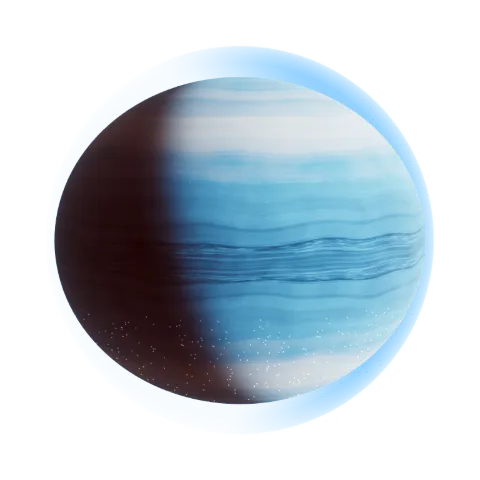
Finding other worlds
How they are found
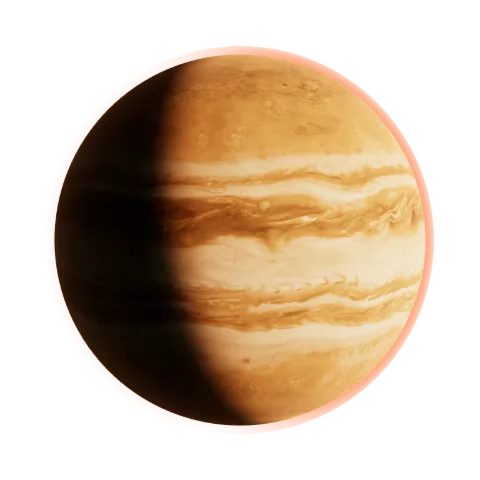
Most planets around other stars are far too faint to see. The transit method watches for a star dimming slightly as a planet passes in front of it: that is how NASA’s Kepler and TESS telescopes found thousands. The radial-velocity method measures the tiny wobble a planet’s pull gives its star. A few young, hot giants have been photographed directly.
How many there are
The first were found in 1992, around a pulsar, and the first around a Sun-like star, 51 Pegasi b, in 1995. Today more than 6,000 are confirmed, and the numbers suggest that most stars have at least one planet: the Milky Way probably holds more planets than stars.
What makes a world habitable
The habitable zone is the band around a star where a rocky planet could keep liquid water on its surface: not too hot, not too cold. Being in it is not enough, though. A planet also needs the right air, and around red dwarfs, flares may strip that away. The James Webb Space Telescope can now read starlight filtered through some planets’ atmospheres, looking for water, carbon dioxide and other molecules.