7 worlds · Rendered in Blender
Planet surfaces
What you would see standing on Mercury, Venus and Mars, or floating in the clouds of the giant planets. Each view is built from spacecraft images and measurements. Land on any of them in the 3D explorer to look all the way round.
01 / 07
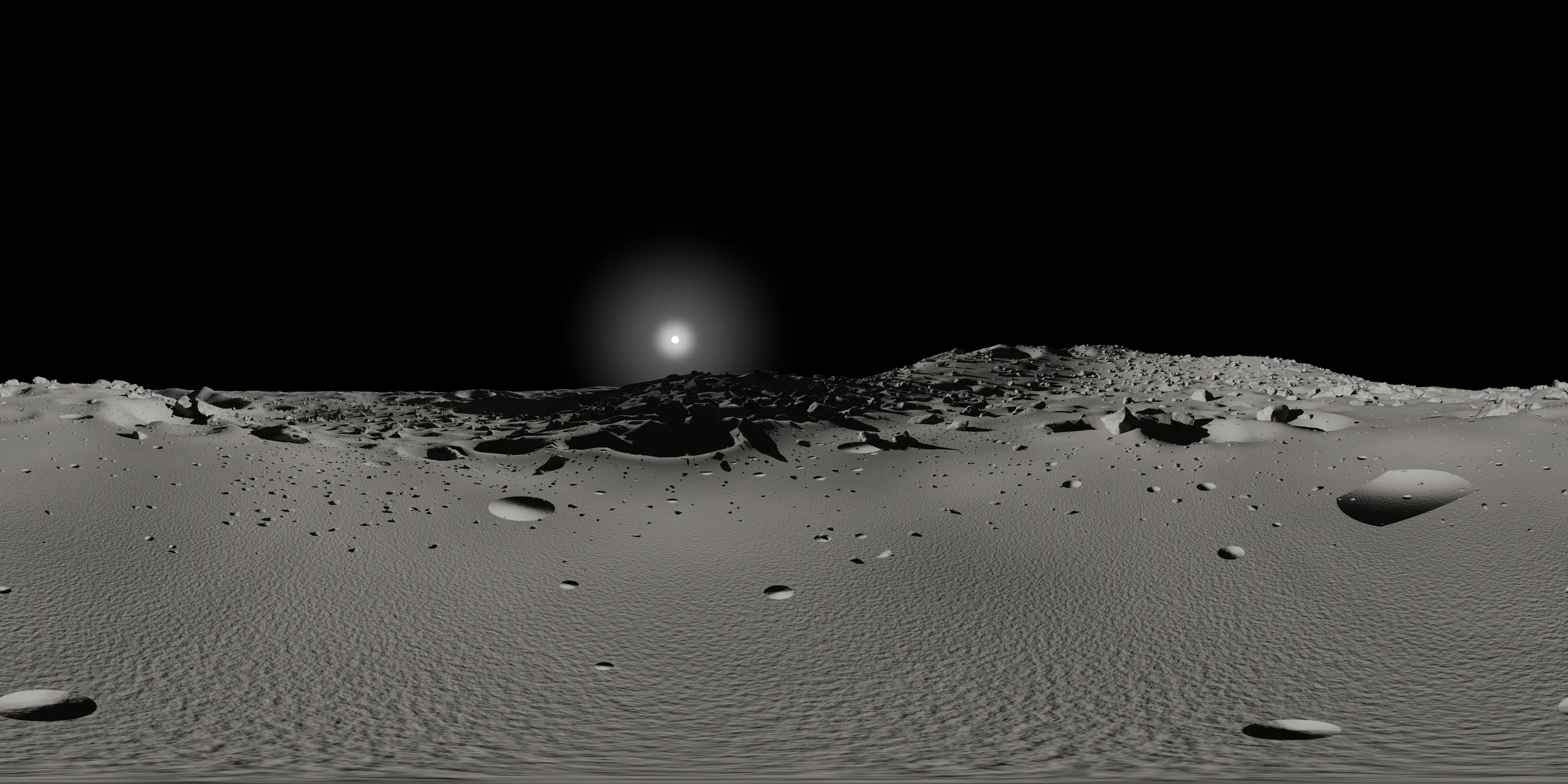
Surface of Mercury
Standing on a cratered plain
- Sun
- Up to 3 × wider than from Earth
- Temperature
- 430 °C by day, −180 °C at night
- Air
- Almost none: a black sky full of stars
- One day
- 176 Earth days from sunrise to sunrise
Based on MESSENGER’s images. Venus shines as the brightest point in the sky.
02 / 07
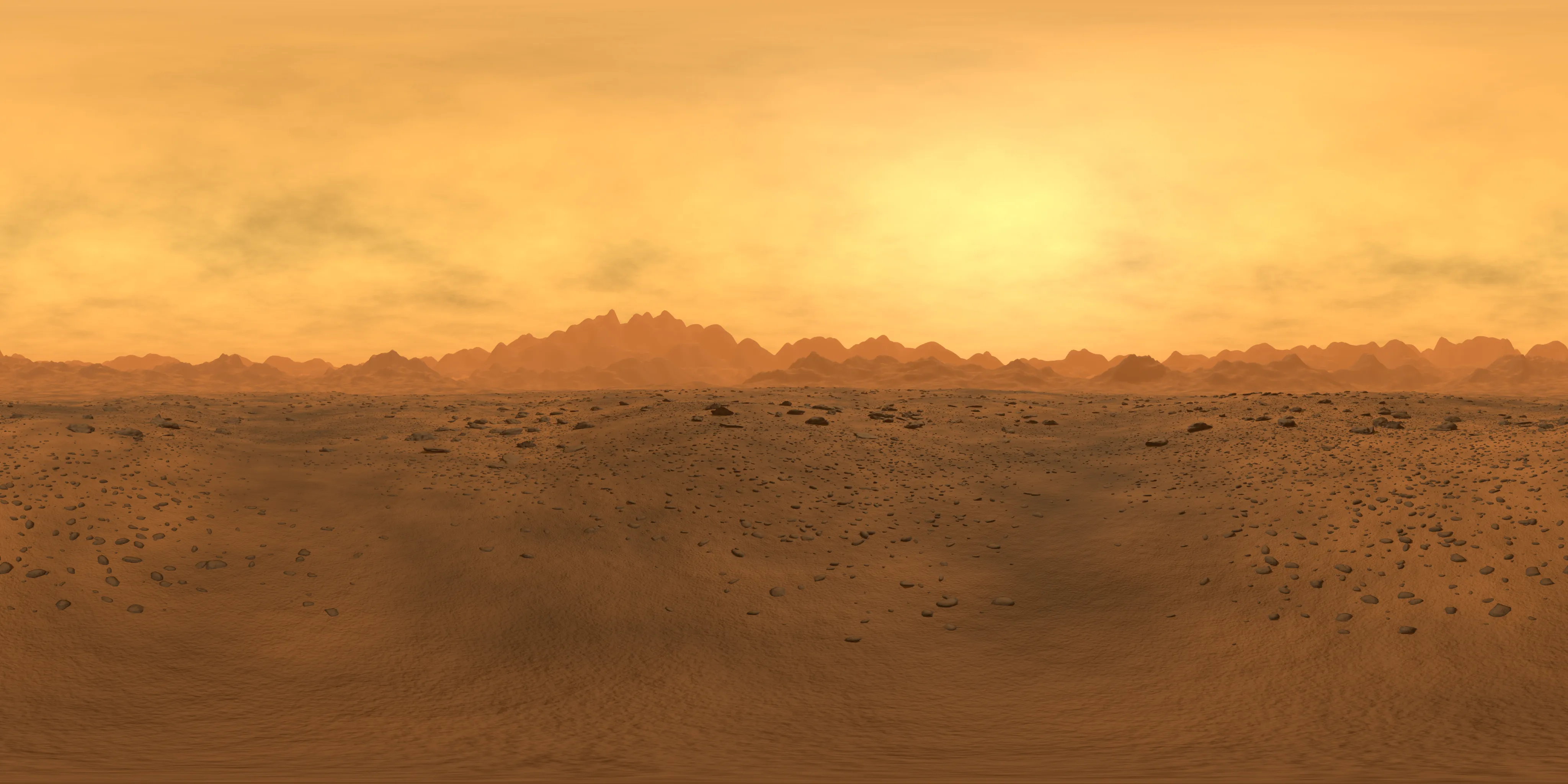
Surface of Venus
Standing on the volcanic plains
- Temperature
- 464 °C, hot enough to melt lead
- Pressure
- 92 × Earth’s, like 900 m under the sea
- Sky
- Sulfuric-acid clouds 45–70 km up hide the Sun
- Light
- Dim and orange, like a very overcast evening
- One day
- 117 Earth days from sunrise to sunrise
Based on colour photos from the Soviet Venera 13 and 14 landers (1982) and Magellan radar maps. No one could really stand here: Venera 13, the longest-lived lander, survived 127 minutes. The lava rivers and eruption are an artist’s impression of Venus’s ongoing volcanism.
03 / 07
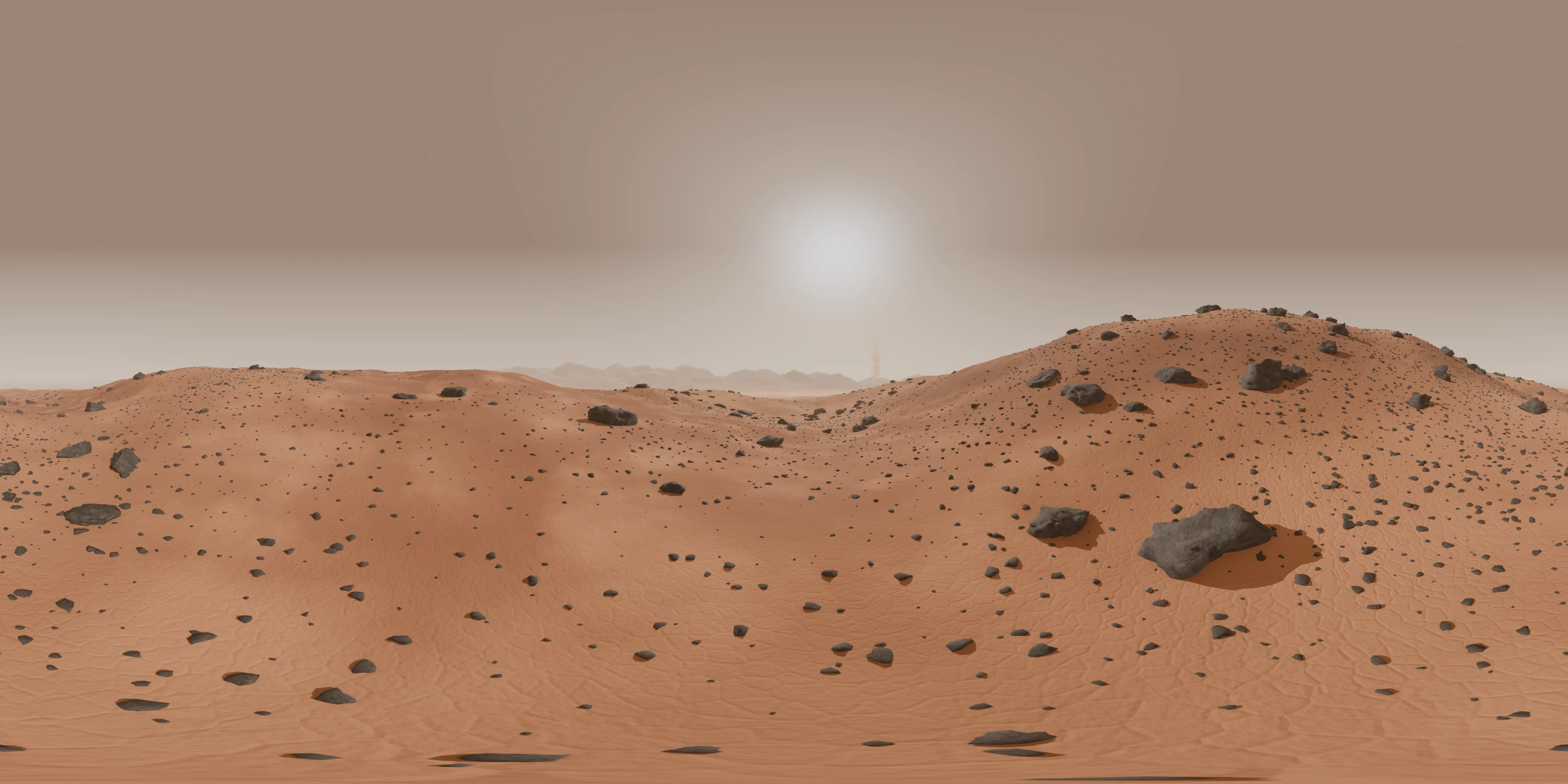
Surface of Mars
Standing among red rocks
- Sky
- Butterscotch by day, blue around the setting Sun
- Sun
- About two-thirds as wide as from Earth
- Air
- Under 1% of Earth’s pressure, mostly carbon dioxide
- Temperature
- Around −60 °C on average
- One day
- 24 h 40 min
Based on photos from the Curiosity and Perseverance rovers.
04 / 07
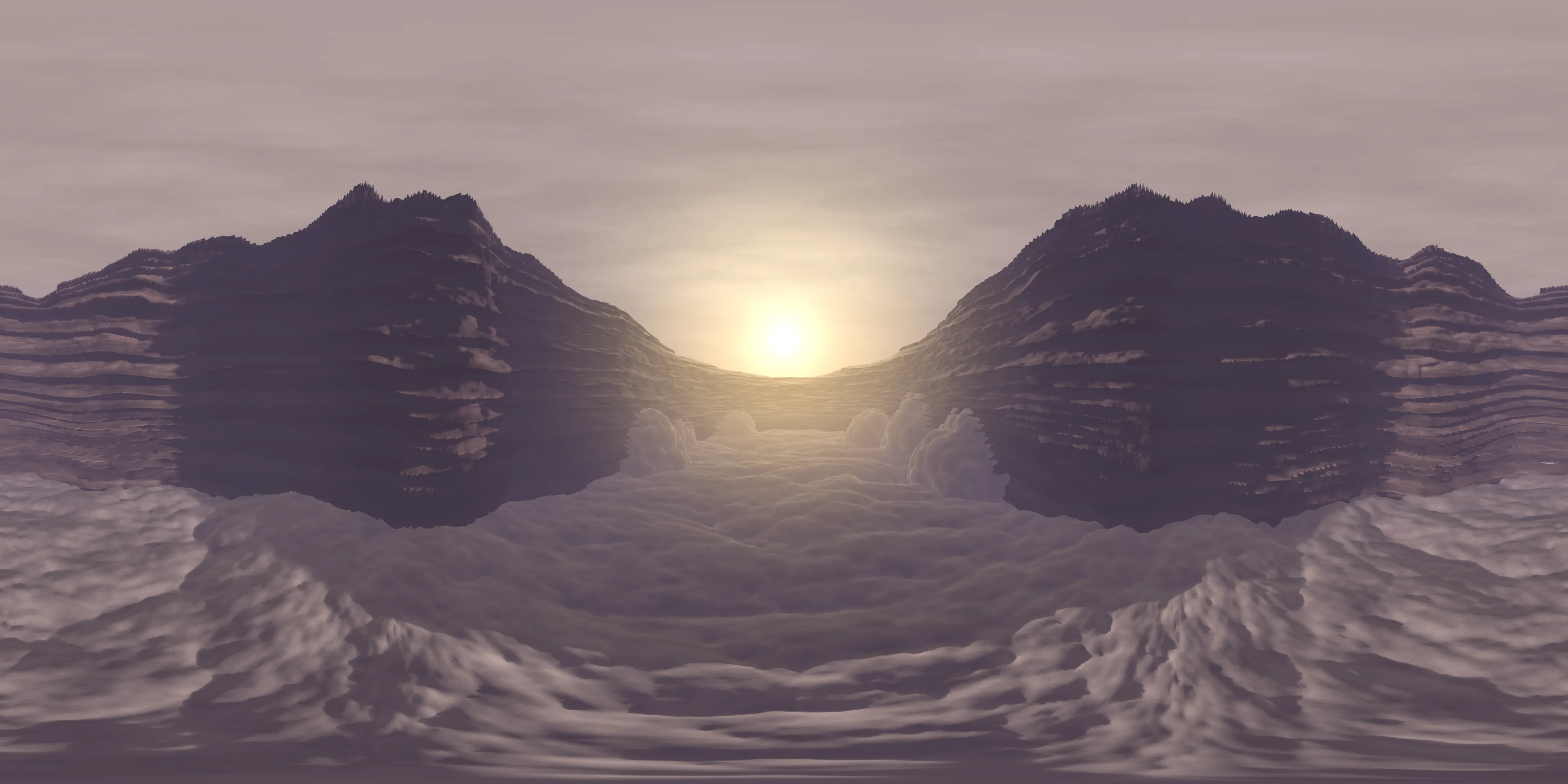
Above Jupiter
Hovering above the cloud bands
- Clouds
- Ammonia ice on top, in bands racing opposite ways
- Winds
- Up to about 500 km/h
- Sky
- Io and Europa, as small discs
- One day
- Under 10 hours, the shortest of any planet
Based on Juno and Voyager images. There is no ground to stand on here, so you hover on a small platform: no one could survive here, and the colours are educated guesses.
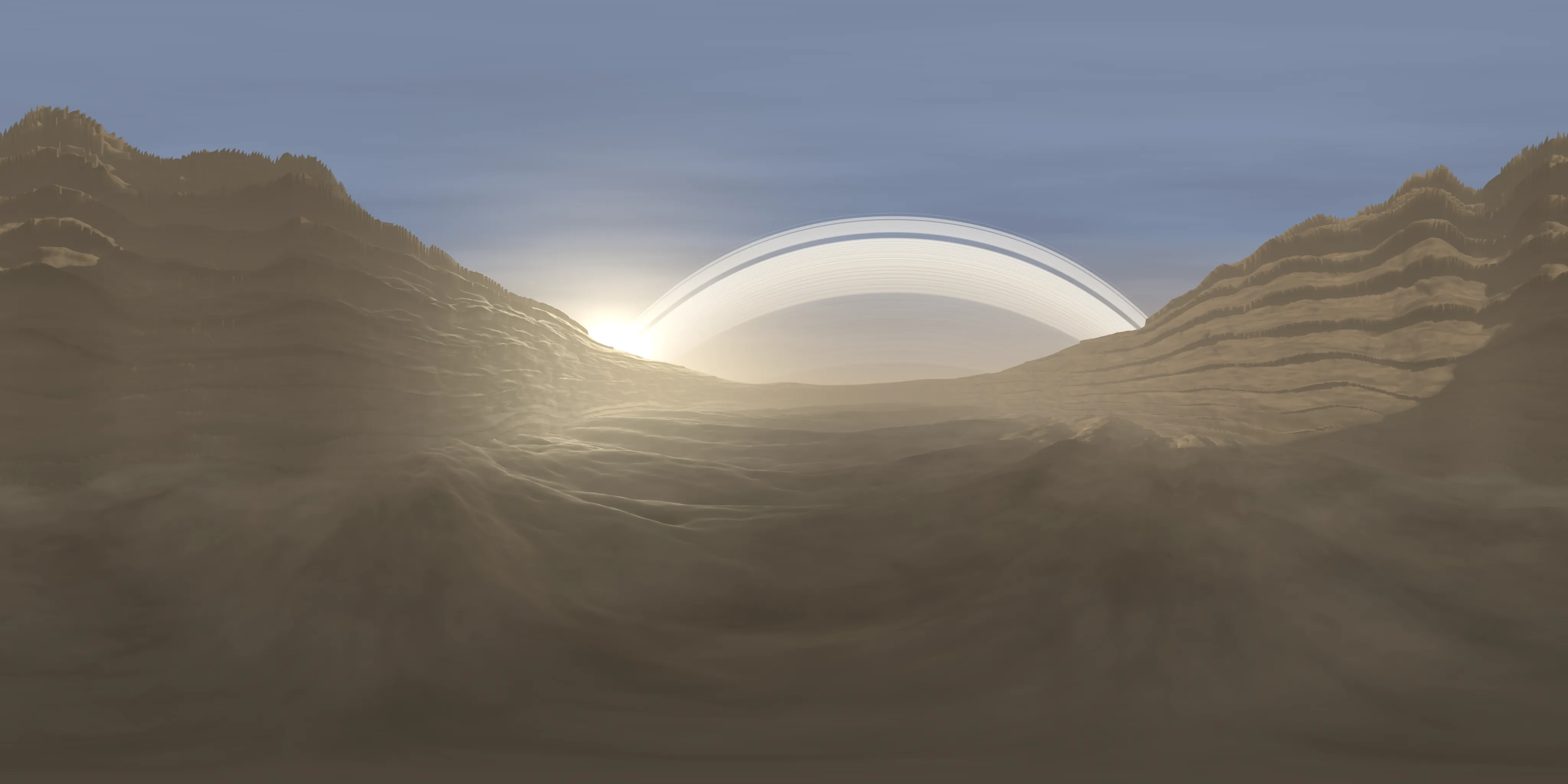
05 / 07
Above Saturn
Hovering under the rings
- Rings
- An arch across the whole sky, mostly water ice
- Width
- The main rings span about 280,000 km, but are often only tens of metres thick
- Winds
- Up to about 1,800 km/h at the equator
- One day
- About 10.5 hours
Based on Cassini’s images. There is no ground to stand on here, so you hover on a small platform: no one could survive here, and the colours are educated guesses.
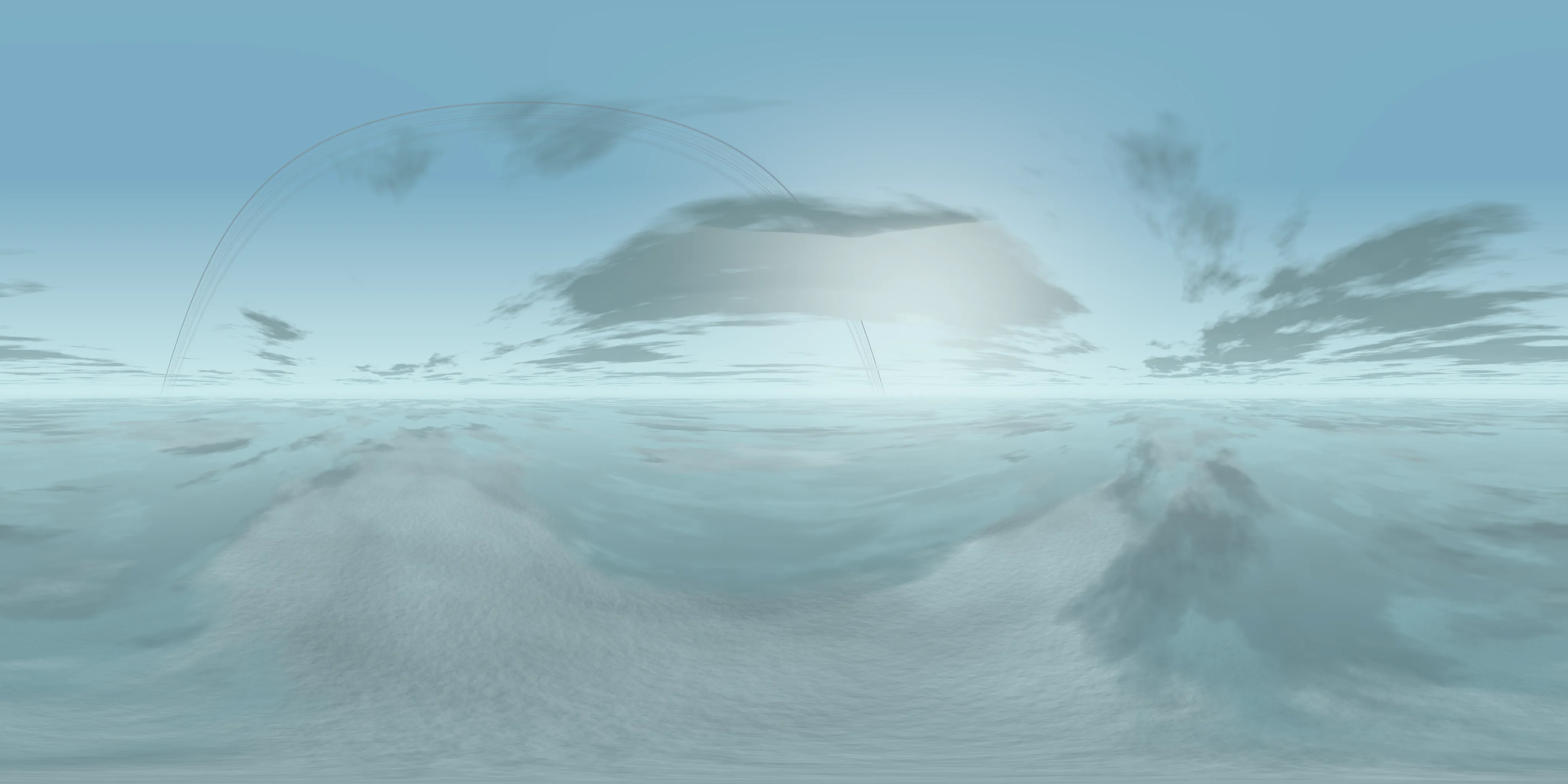
06 / 07
Above Uranus
Hovering in the cyan haze
- Colour
- Methane in its air soaks up red light
- Tilt
- Knocked on its side: each pole gets 42 years of daylight
- Sun
- A brilliant point, 1/400 as bright as from Earth
- Temperature
- About −220 °C at the cloud tops
Based on Voyager 2 and JWST images. There is no ground to stand on here, so you hover on a small platform: no one could survive here, and the colours are educated guesses.

07 / 07
Above Neptune
Hovering in the fastest winds in the Solar System
- Winds
- About 2,100 km/h, the fastest of any planet orbiting the Sun
- Clouds
- White streaks of methane ice over a deep blue
- Sun
- A brilliant point, 1/900 as bright as from Earth
- One year
- 165 Earth years
Based on Voyager 2’s images. There is no ground to stand on here, so you hover on a small platform: no one could survive here, and the colours are educated guesses.